Casement windows: the complete guide
The casement is the most common window in British homes, and for good reason. A casement window is a sash hinged on one edge so it swings open — usually outward — on a stay or hinge. That simple mechanism gives excellent ventilation, a good weather seal when closed, and a huge range of looks, from period flush sashes to sleek aluminium. This guide walks through everything worth knowing before you request quotes, and links to the deeper pages in each area.
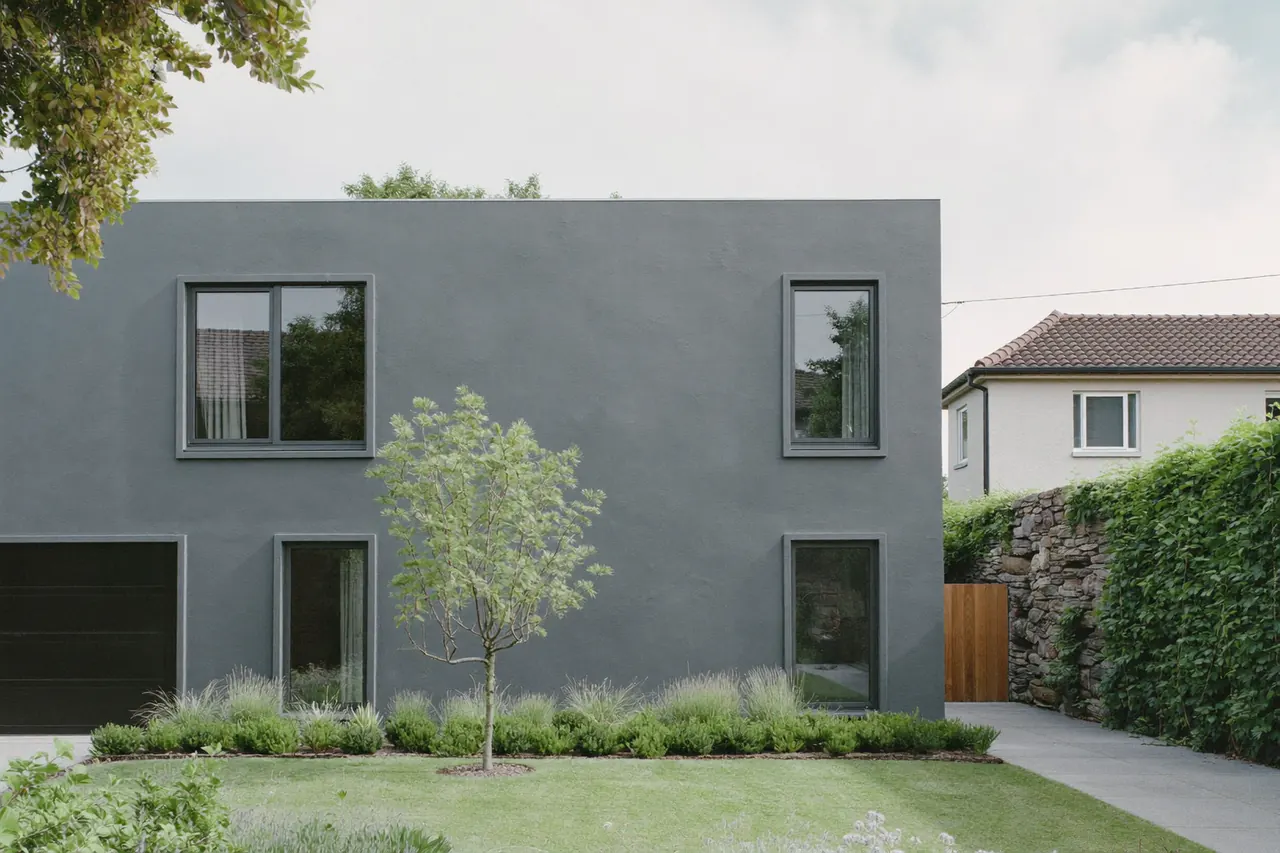
The four casement types
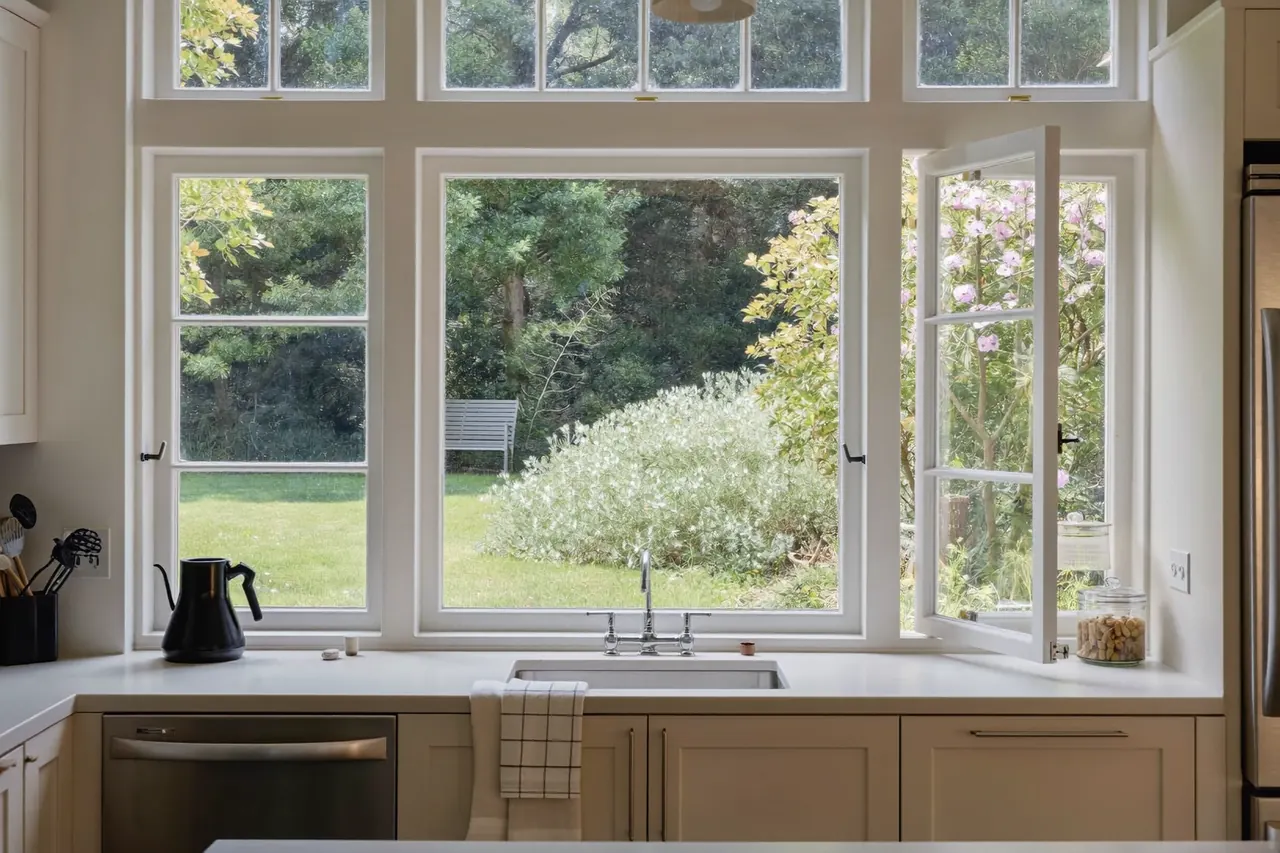
Although they share a frame family, casements differ by where the sash is hinged and how it opens. Side-hung casements hinge at the side and swing outward like a door, giving the widest opening and easiest cleaning. Top-hung (awning) casements hinge at the top, so they shed rain while ajar — ideal for kitchens and bathrooms. Flush casements sit the sash flat within the frame for a clean, traditional line. Fully reversible casements rotate almost 180 degrees so the outer glass can be cleaned safely from inside, which suits upper floors. Our casement window types page compares all four in detail.
Hardware: the part that decides quality
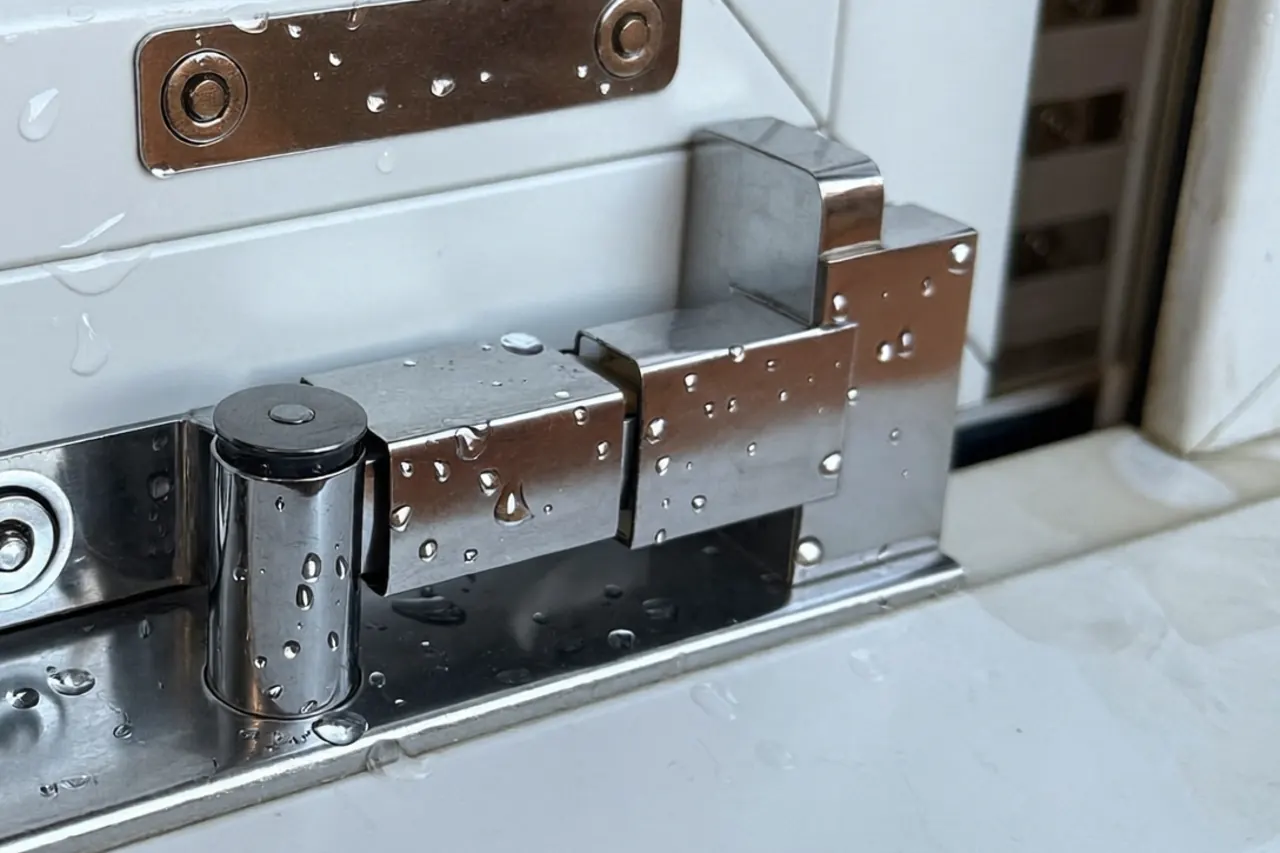
Two casements can look identical in a brochure and quote very differently. The difference is almost always in the ironmongery you rarely see: friction stays rated for the sash weight, multi-point espagnolette locking, and the handle style. Good hardware is what makes a window feel solid for twenty years. Read the casement hardware and handles guide to learn what to ask an installer about, from PAS 24 security to keyed versus non-keyed handles.
Ready to compare prices?
Answer two quick questions and we will match you with vetted local installers for free, no-obligation casement window quotes.
Get my casement quotes →Materials and glazing
Casements come in uPVC, aluminium and timber. uPVC is the most affordable and low-maintenance; aluminium offers slimmer sight-lines and a premium finish; timber suits conservation settings. Our uPVC vs aluminium casement comparison sets out the trade-offs. Whichever frame you choose, the glazing matters just as much — double glazing is standard, with argon fill and a warm-edge spacer improving thermal performance. According to the Energy Saving Trust, replacing older single glazing with energy-efficient double glazing can noticeably reduce heat loss through windows.
Styles, openings and prices
Beyond the four types, casements are configured into single lights, mullioned pairs, and combinations with fixed panes or top-lights. Astragal or Georgian bars add period character. Our casement window styles page explores the layouts, while top-hung vs side-hung helps you pick the right opening for each room. When it comes to budget, prices depend on size, material, glazing and hardware — the casement window prices guide gives typical ranges, and a home survey turns those into an accurate figure.
Casement or sash?
If your home is a period property, you may be weighing a casement against a traditional box sash. Both have their place — see casement vs sash windows for how they compare on looks, ventilation and cost, and flush casement windows for the option that gets closest to a timber look in modern materials.
How to get quotes
We are not installers. We match your requirements to vetted, accredited local fitters who confirm the exact spec and hardware on a free survey, then quote. It is a two-step form — homeowner status, then your contact details — and there is no obligation to proceed. If you want to understand the process first, read how to get casement window quotes.
Start your quote request
It takes under a minute and puts your project in front of installers who cover your area.
Get my casement quotes →