Top-hung vs side-hung windows
Top-hung and side-hung are the two most common casement openings, and choosing between them is one of the practical decisions you will make room by room. They are both casement windows — hinged sashes that swing outward — but the hinge position changes how they ventilate, how they handle rain, and where they suit best. This guide compares the two so you can decide which opening belongs on each window before you get quotes.
How each one opens
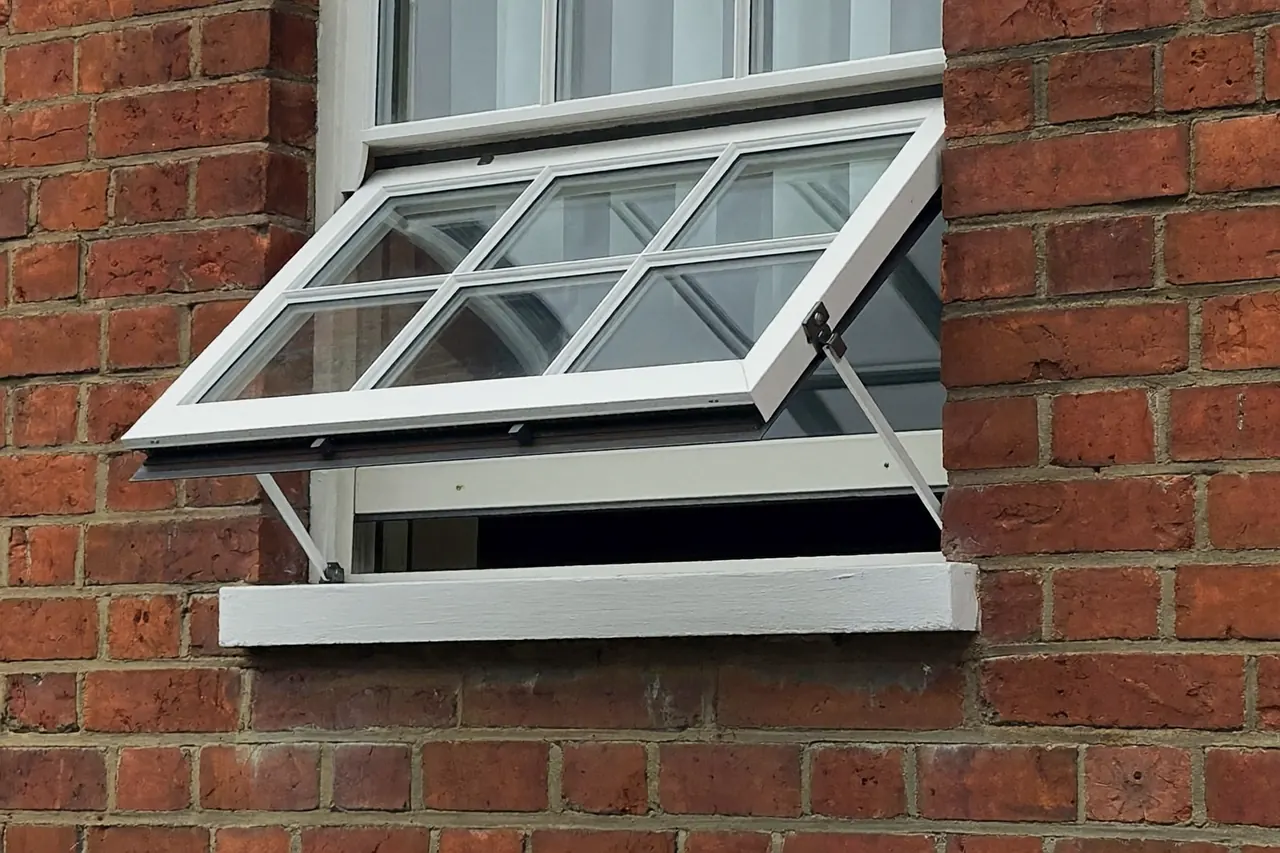
A side-hung casement is hinged on one vertical edge and swings outward like a door, opening the full aperture. A top-hung casement (also called an awning) is hinged along the top edge and pushes outward and up, so the open sash slopes away from the opening. Both use a friction stay that holds the sash at any angle — the hardware guide explains how these hinges are rated.
Ventilation
Side-hung wins on raw airflow. Because it opens the whole aperture, a side-hung casement moves the most air, which is why it is the default for living rooms and bedrooms. A top-hung sash opens a smaller clear area but is excellent for steady background ventilation and for smaller openers above a fixed light. For the widest-open feel, side-hung is hard to beat.
Mixing openings across your home?
A local installer will advise the best opening for each room at a free survey.
Get my casement quotes →Rain and weather
This is the top-hung casement's signature advantage. Because the open sash slopes outward and downward, it acts like a little awning and sheds rain away from the opening — so you can leave it ajar during a shower without water running in. That makes top-hung casements the go-to for kitchens, bathrooms, utility rooms and any window you like to leave cracked open. A side-hung sash left open in the rain will let water in.
Cleaning and access
Side-hung casements, especially with easy-clean hinges, let the sash swing well clear so you can reach the outer glass from inside. Top-hung sashes are a little harder to clean on the outside from within, though they are often smaller. If cleaning access upstairs is a big concern, a fully reversible casement may suit better than either.
Where each suits best
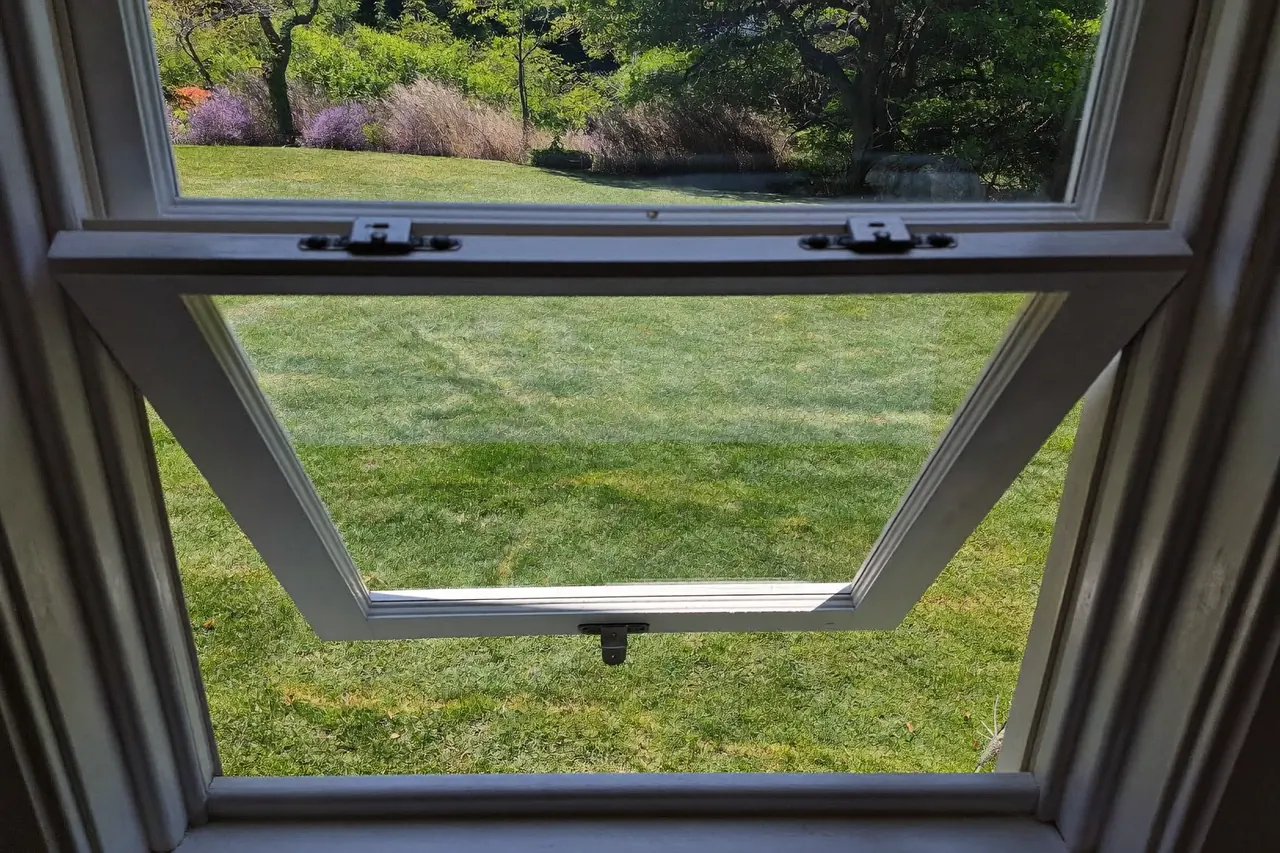
A typical home uses both. Side-hung casements work best in living rooms, dining rooms and bedrooms where you want to open up fully. Top-hung casements shine in kitchens and bathrooms, and as top-light openers above fixed panes for background airflow. Many mullioned window layouts combine the two — side-hung main lights with a top-hung opener above — as covered in casement window styles.
Which should you choose?
There is no single winner — the best answer is usually a mix. Put side-hung casements where ventilation and cleaning access matter most, and top-hung casements where you want to leave a window open in the rain. Cost is broadly similar between the two, so the decision is about function rather than budget; see casement window prices for what does move the figure. A local installer can confirm the ideal layout for your home at a free survey.
Compare casement window quotes
Two quick questions and we will match you with vetted installers near you.
Get my casement quotes →