Casement window types
All casement windows share the same idea — a sash hinged on one edge that swings open — but the hinge position changes everything about how the window feels to use, where it suits, and how much you clean it. There are four main casement window types in UK homes: side-hung, top-hung, flush and fully reversible. Here is how each one works and where it earns its place.
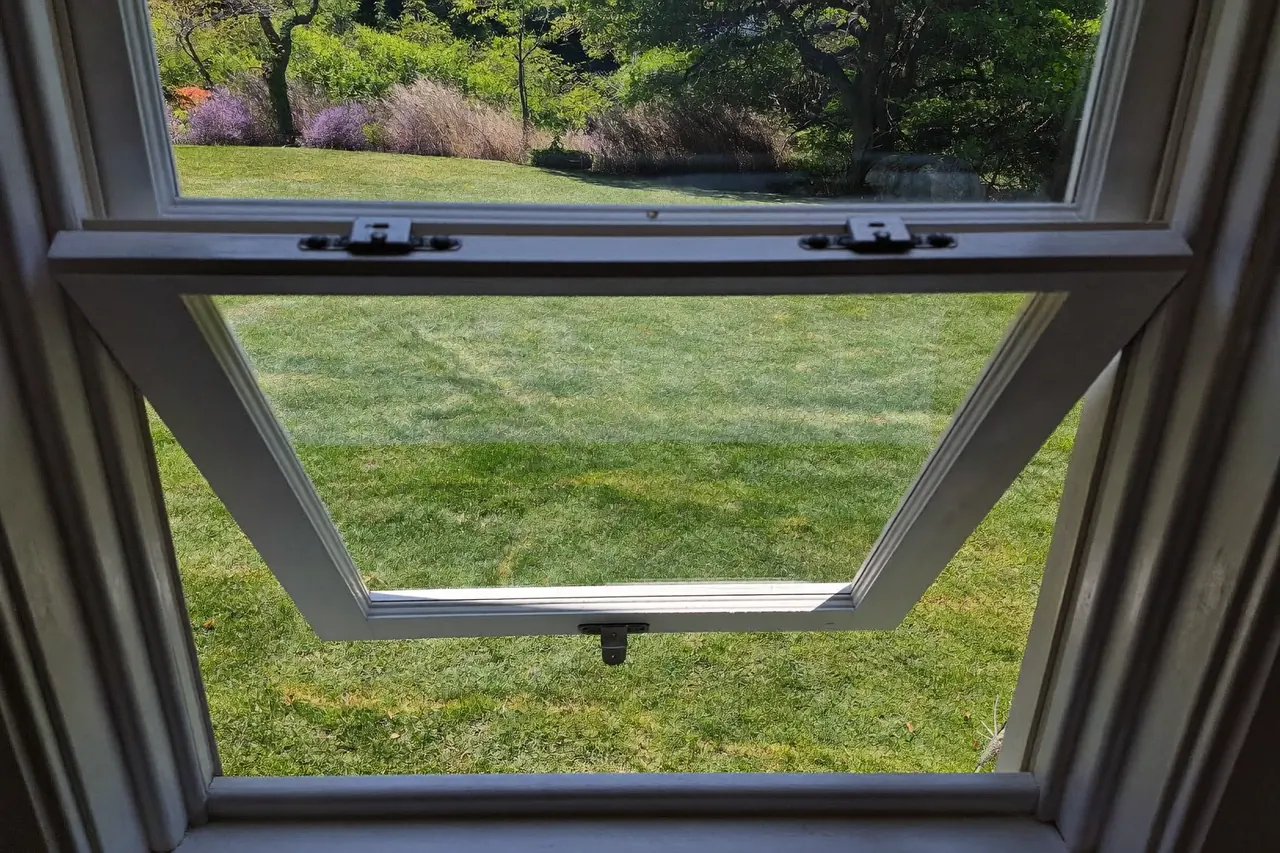
Side-hung casement
The side-hung casement is the classic. Hinged at one side, the sash swings outward like a door, opening the full aperture for maximum ventilation. It is the easiest type to clean from inside on a ground floor, and it pairs beautifully in mullioned rows. Side-hung sashes can be hung to open left or right, and are often combined with a fixed light or a top-light above. If you are unsure between this and a top-hung, our top-hung vs side-hung comparison walks through the choice room by room.
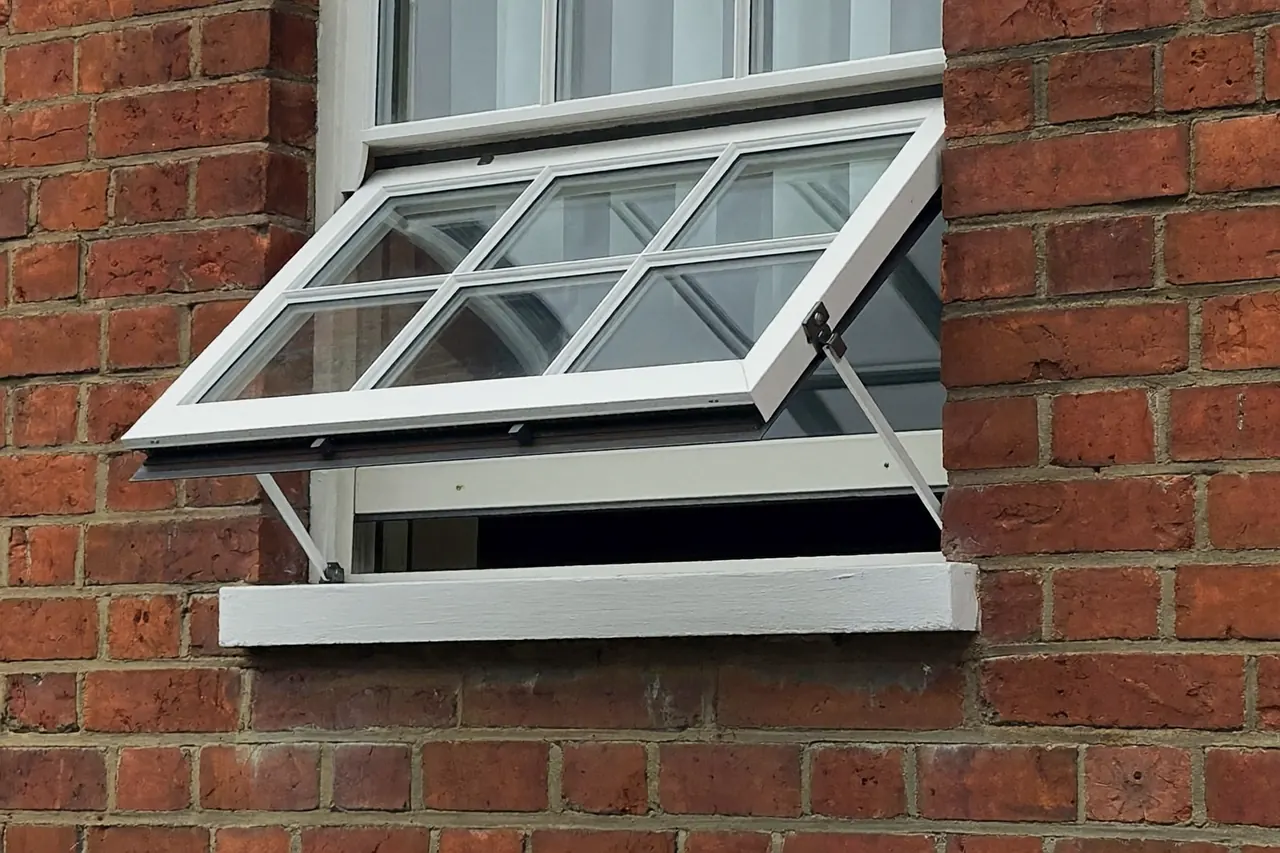
Top-hung (awning) casement
A top-hung casement is hinged along the top edge and opens outward and up, like an awning. Because the open sash slopes away from the opening, it sheds rain rather than letting it run in — which makes top-hung casements a favourite for kitchens, bathrooms and utility rooms where you want ventilation even in a shower. They also work well as small openers above a larger fixed pane. The trade-off is a slightly smaller clear opening than a side-hung of the same size.
Not sure which type suits your home?
A local installer will confirm the best opening for each room on a free survey. Compare quotes with no obligation.
Get my casement quotes →Flush casement
A flush casement sits the sash flat within the frame, so the face of the window is level all the way across when closed. That flat line is the closest modern match to a traditional timber window, which is why flush casements are so popular for period homes, barn conversions and conservation-conscious renovations. They are available in uPVC, aluminium and timber. Read more on the flush casement windows page.
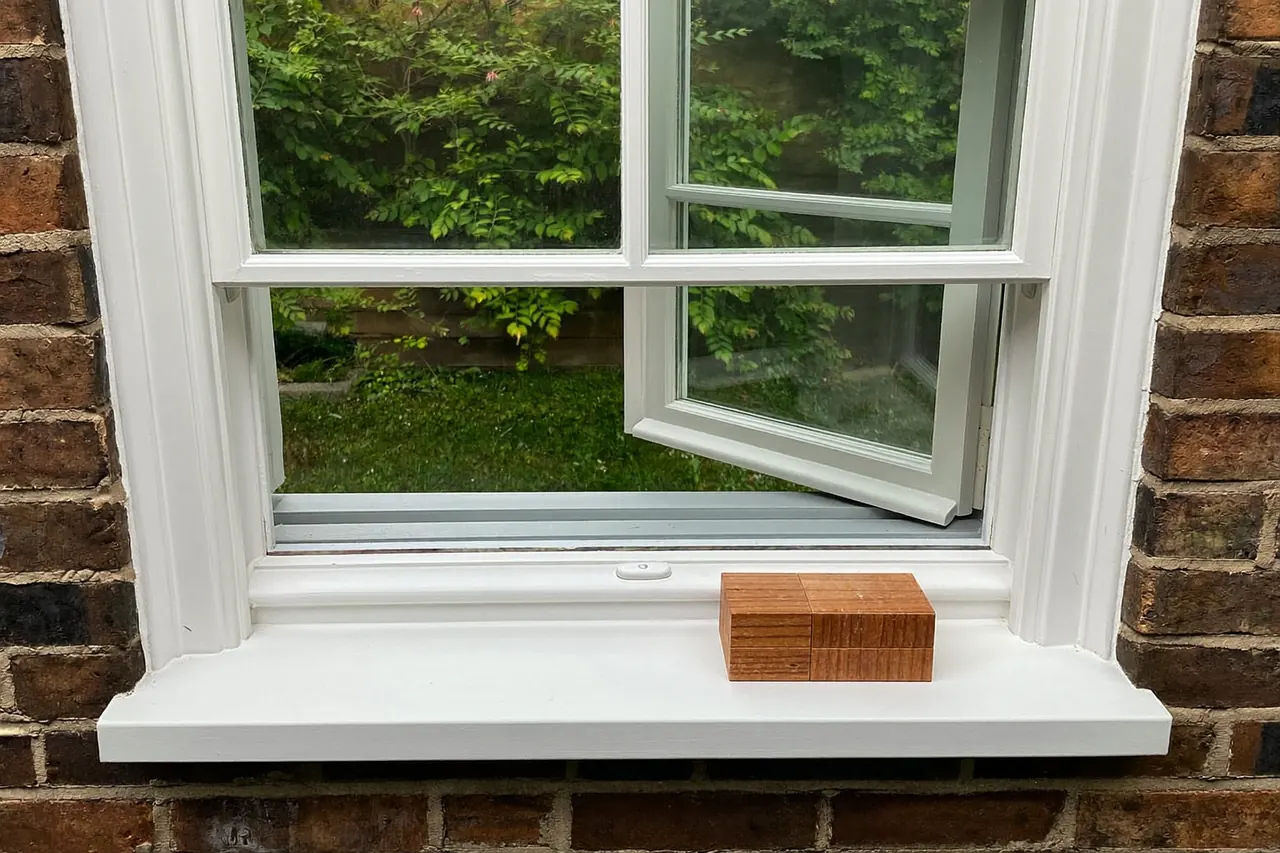
Fully reversible casement
A fully reversible casement rotates almost 180 degrees within its frame, bringing the outer face of the glass to the inside. That means you can clean both sides safely from indoors — a genuine advantage for upper-floor and hard-to-reach windows, and a common choice for flats. Reversible units use specialist hinges and locking, so they sit a little higher on price than a standard side-hung.
Which type should you choose?
Most homes mix types: side-hung openers for living spaces, top-hung for wet rooms, flush for street-facing period elevations, and reversible upstairs. The right combination depends on the room, the aspect and your budget, all of which an installer confirms at survey. It is worth keeping an eye on current double glazing deals too, as promotions can influence which specification represents the best value at the time you buy. For a fuller picture of layouts and configurations, see casement window styles, and for budgets, the casement window prices guide.
Compare casement window quotes
Tell us the basics and we will match your project to vetted, accredited installers near you.
Get my casement quotes →