Casement window hardware and handles
Hardware is the part of a casement window you actually touch, and it is where quality quietly hides. Two windows can look identical in the showroom yet feel completely different in your hand after a few winters — the difference is the hinges, the locking and the handle. This guide explains the ironmongery on a casement window so you know exactly what to ask an installer about before you compare quotes.
Hinges and stays
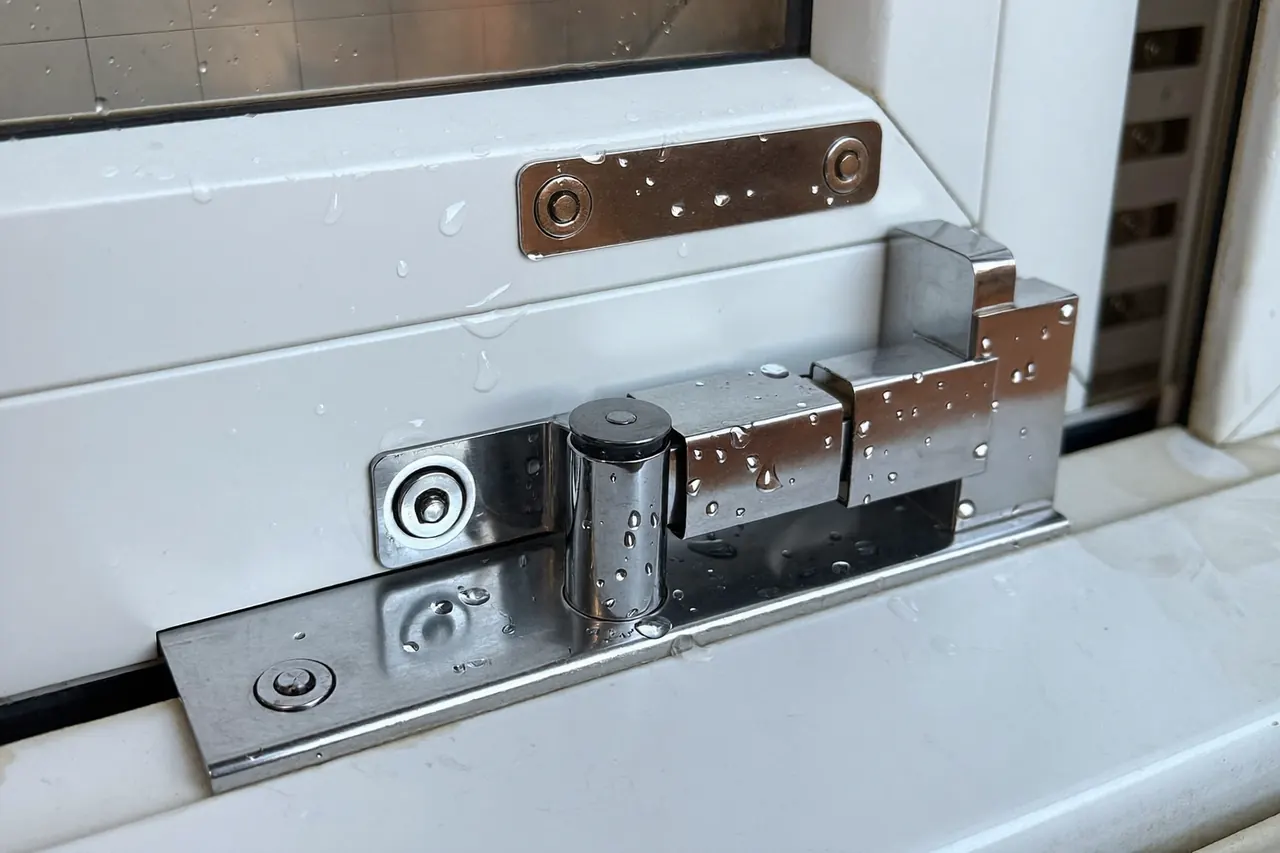
The hinge carries the sash and controls how it opens. Most modern casements use a friction stay — a scissor-style hinge that lets the sash hold open at any angle without a separate peg stay. The stay must be rated for the weight and size of the sash; an under-specified hinge is a common cause of a window that droops or is hard to close. Easy-clean hinges allow the sash to slide across so you can reach the outer glass from inside, which is handy on upper floors that are not fully reversible. If cleaning access is a priority, ask whether an easy-clean or a fully reversible option suits the room better.
Locking and security
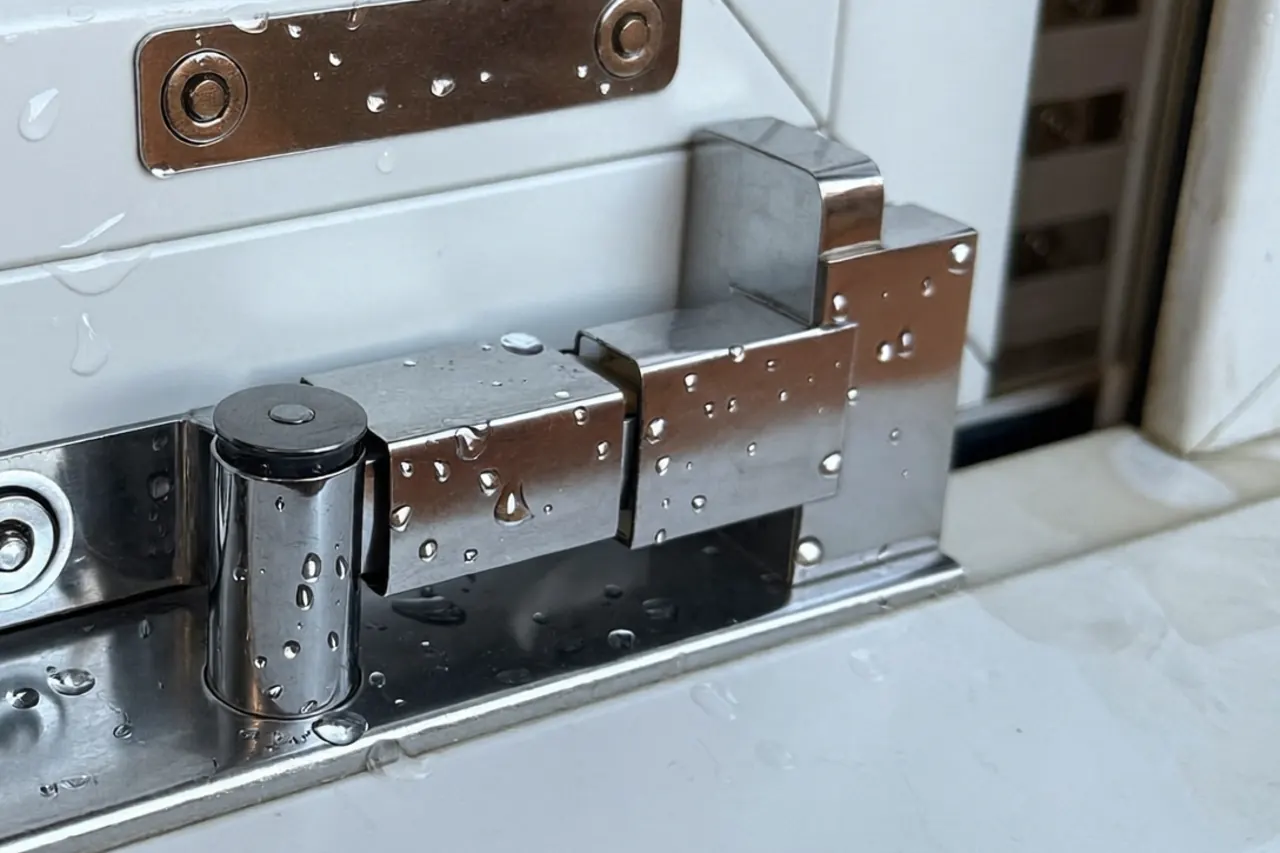
Security on a modern casement comes from multi-point “espagnolette” locking — turning the handle drives several locking points (mushroom cams and shootbolts) into the frame at once, rather than a single latch. The recognised UK security standard is PAS 24, and windows can be specified to meet it; some homeowners also look for the Secured by Design accreditation favoured by police forces. Laminated glass in the outer pane adds another layer. When comparing quotes, check that like-for-like security is specified — it is a genuine cost and quality difference.
Ask installers to spec the hardware
Get quotes that state the hinges, locking and handles clearly — free and no obligation.
Get my casement quotes →Handle styles
The handle is the finishing touch and the part you use every day. Common casement handle styles include:
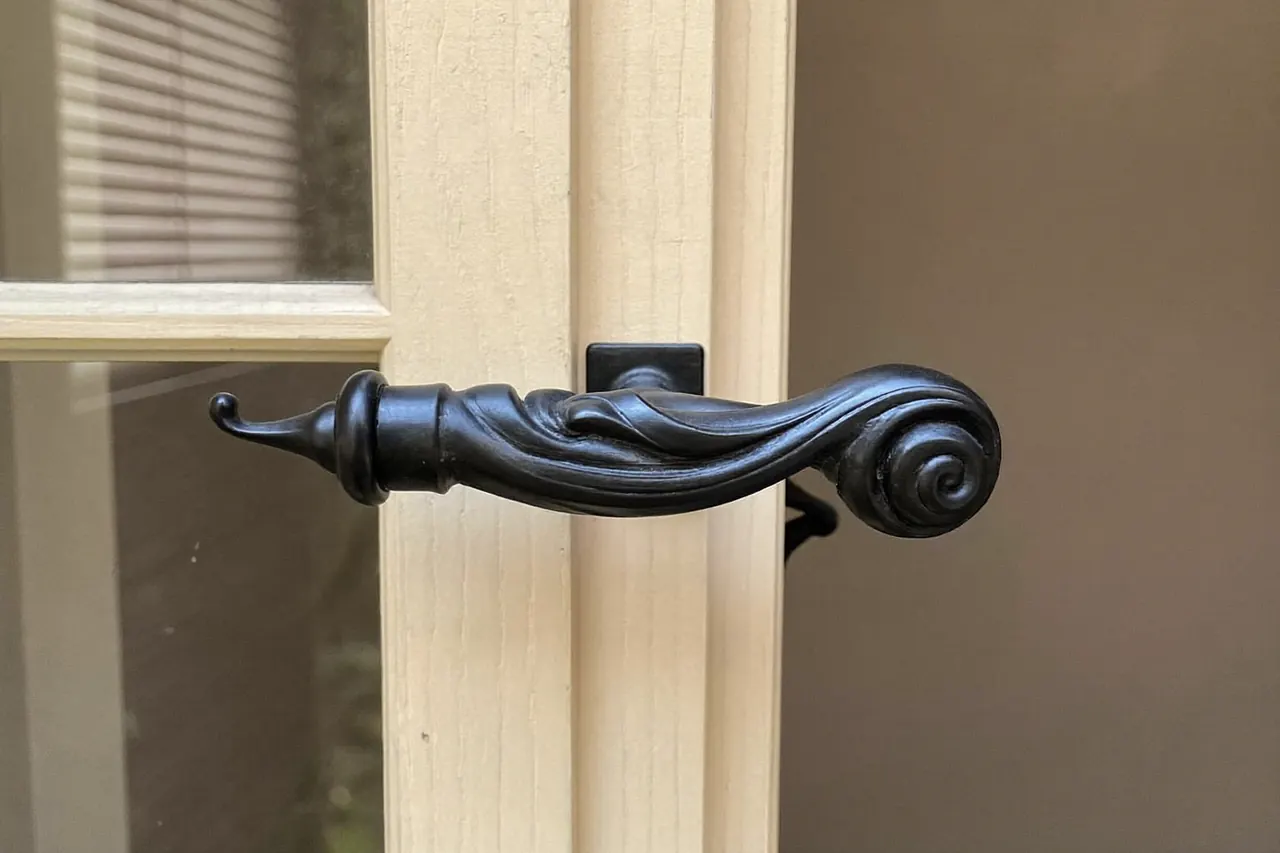
- Monkey-tail — a traditional curled tail, popular on period and cottage-style windows.
- Cranked lever — a simple offset lever, the everyday standard on uPVC casements.
- Modern flat lever — clean, contemporary lines that suit aluminium frames.
- Peg or fastener — a more traditional cockspur fastener, sometimes paired with a stay.
Handles come keyed (lockable) or non-keyed, and in finishes from white and chrome to black, gold and brushed metals. Matching the handle to the frame material and the age of your home makes a surprising difference to the finished look.
Trickle vents and weatherseals
Current building regulations mean many replacement windows now include trickle vents for background ventilation, and your installer will advise where these are required. Good weatherseals (gaskets) around the sash keep out draughts and rain — worn seals are a common reason older casements feel cold, so quality gaskets are worth having on a new window.
What to ask your installer
Before you accept a quote, ask: what security standard does the locking meet, are the hinges rated for the sash size, which handle style and finish are included, and is the whole window guaranteed. Getting these details in writing lets you compare quotes on substance rather than headline price. For how the hardware feeds into overall cost, see casement window prices.
Compare fully-specced quotes
We match you with vetted installers who confirm the hardware on a free survey.
Get my casement quotes →