Casement window styles and openings
Once you have chosen a casement type, the next decision is how the window is laid out — how many panes, where the openers sit, and whether it carries decorative bars. These configuration choices are what make a casement feel right for your home, whether that is a symmetrical Georgian frontage or a wide modern opening. This guide runs through the main casement window styles and the design choices behind them.
Single and mullioned lights
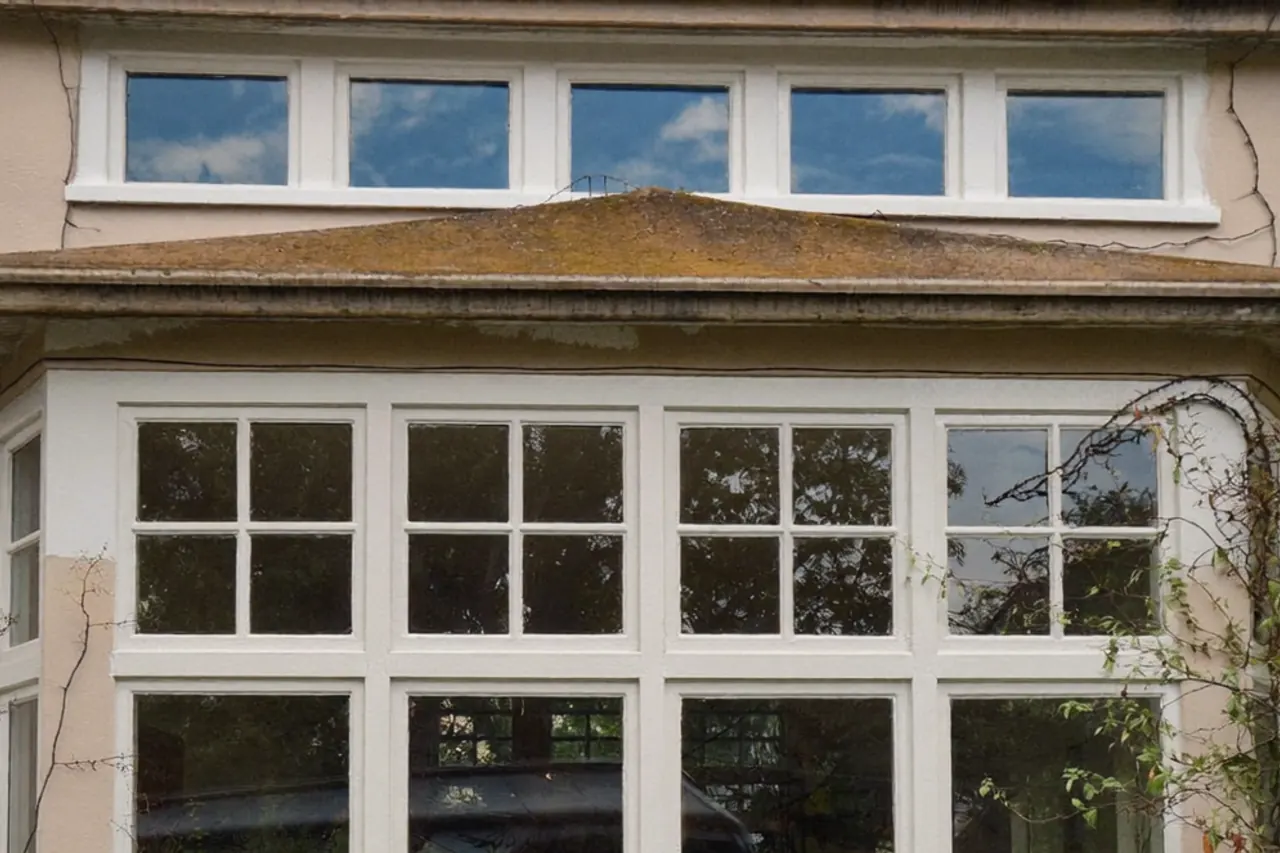
The simplest casement is a single light — one frame with one sash. Combine several side by side, separated by vertical mullions (or horizontal transoms), and you get the mullioned casements common across British homes. A typical arrangement pairs two or three lights, mixing fixed panes with opening sashes so you get ventilation where you need it and uninterrupted glass elsewhere. Deciding which lights open and which stay fixed is a key part of the design, and links closely to the choice of casement type.
Top-lights and configurations
Adding a horizontal transom creates a top-light — a smaller opener above a larger main light or fixed pane. Top-lights are a neat way to get background ventilation without opening the whole window, and they suit bedrooms and living rooms. A common cottage arrangement places small top-hung openers above fixed lights. Whether you prefer openers at the top or full-height side-hung sashes often comes down to the room, as explored in top-hung vs side-hung.
Design your casements with an installer
A local fitter will help you configure lights, openers and bars at a free survey.
Get my casement quotes →Astragal and Georgian bars
Decorative bars divide the glass into smaller panes for period authenticity. There are three main approaches:
- Astragal bars — bars bonded to the face of the glass, sometimes with a spacer within the unit, giving the most convincing traditional appearance.
- Georgian bars — bars sealed inside the double-glazed unit, which look neat and are easy to clean around.
- Duplex or run-through bars — a combination that mimics true divided lights while keeping a sealed unit.
Bars pair especially well with flush casements on period homes.
Colours and finishes
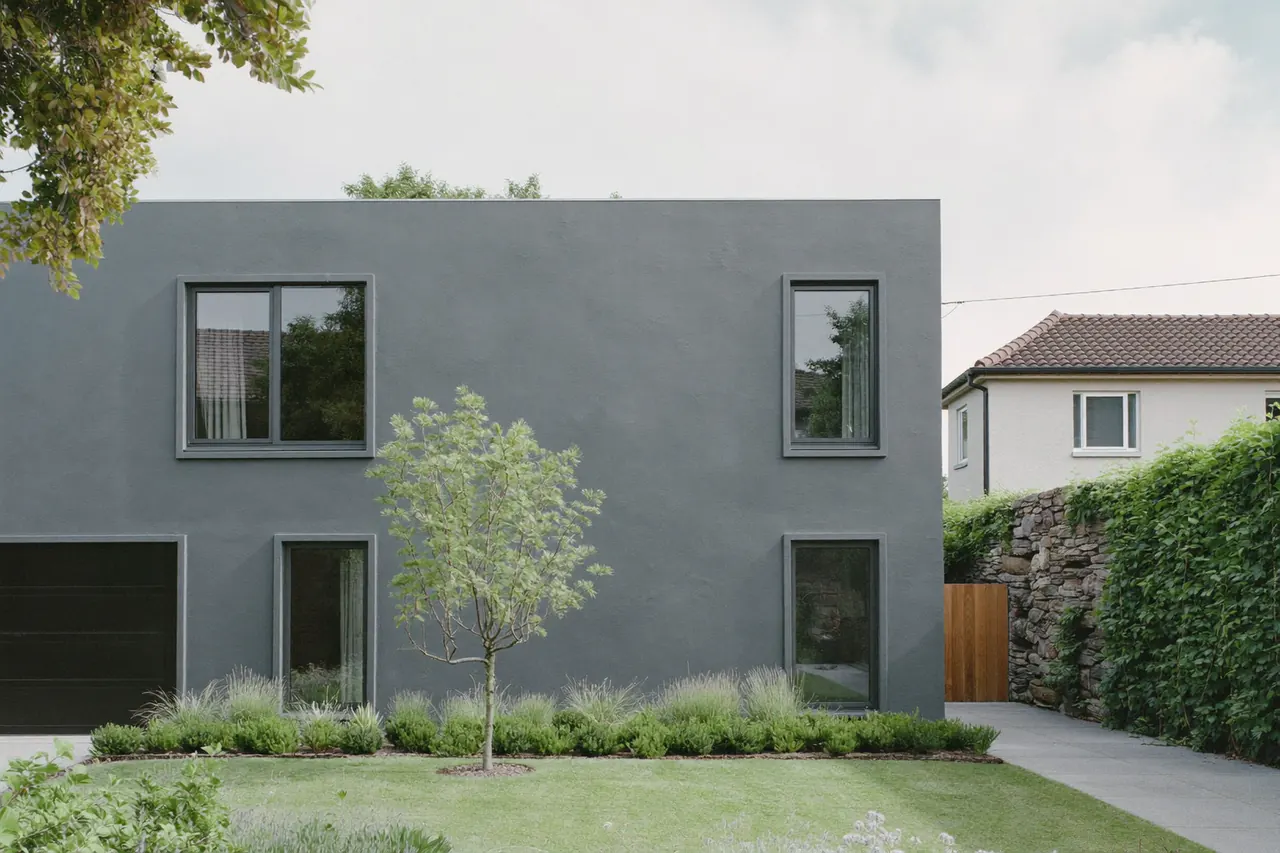
White remains the most popular casement finish, but coloured frames have surged in popularity. Anthracite grey is now a modern staple, and heritage shades like sage green, cream and chartwell blue suit period homes. uPVC achieves colour through durable foils, while aluminium is powder-coated in almost any RAL shade, including different colours inside and out. The material you choose influences the colour options available.
Matching style to your home
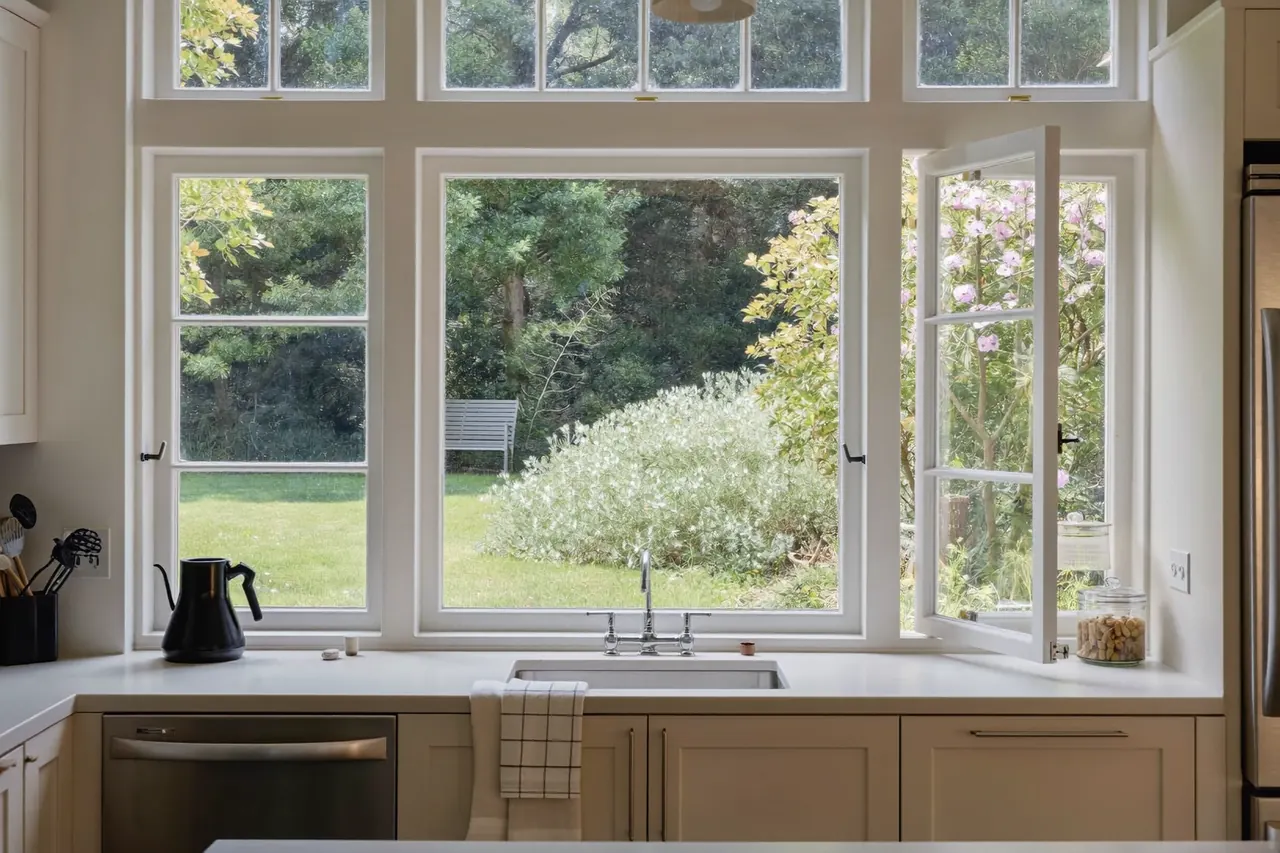
The best casement style is the one that suits your property's era and how you live in each room. Period frontages tend to want symmetrical mullioned layouts with bars and a heritage colour; contemporary homes favour large panes, minimal bars and bold frames. There is no single right answer — a local installer can advise what works for your elevation and confirm the configuration at survey. For budgeting the design you settle on, see casement window prices.
Get your chosen style priced up
Two quick questions and we will match you with vetted installers near you.
Get my casement quotes →