uPVC vs aluminium casement windows
Once you have settled on a casement, the next big decision is the frame material. For most UK homeowners the real choice is between uPVC and aluminium — timber is a third option, mainly for conservation settings. Both uPVC and aluminium casement windows are durable, secure and low-maintenance, but they look and cost quite differently. This comparison lays out the trade-offs so you can pick the right frame for your home and budget.
Cost
uPVC is the more affordable option, usually by a clear margin. Aluminium casements cost more to manufacture and finish, so they sit at the premium end. If budget is the deciding factor, uPVC almost always wins. If you are weighing the extra spend, our casement window prices guide explains what else moves the number so you can compare like for like.
Sight-lines and looks
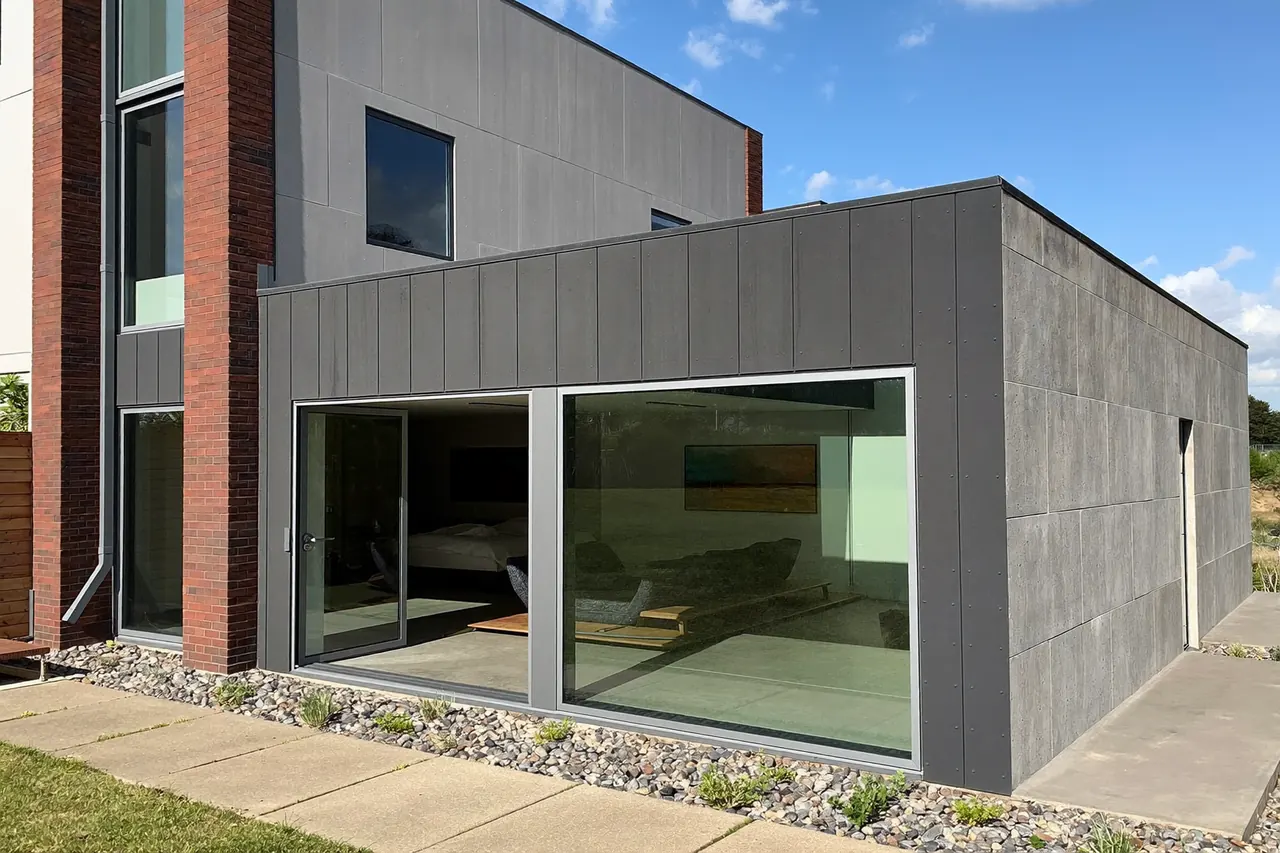
This is where aluminium earns its premium. Because aluminium is strong, the frames can be much slimmer than uPVC while carrying the same weight of glass. That means more daylight, a bigger view and a crisp, contemporary edge that suits modern extensions and large openings. uPVC frames are chunkier, though modern flush and slim-profile uPVC casements have narrowed the gap considerably — see flush casement windows for the most refined uPVC look.
Compare both materials in a quote
Ask local installers to price uPVC and aluminium side by side. Free, no-obligation quotes.
Get my casement quotes →Thermal performance
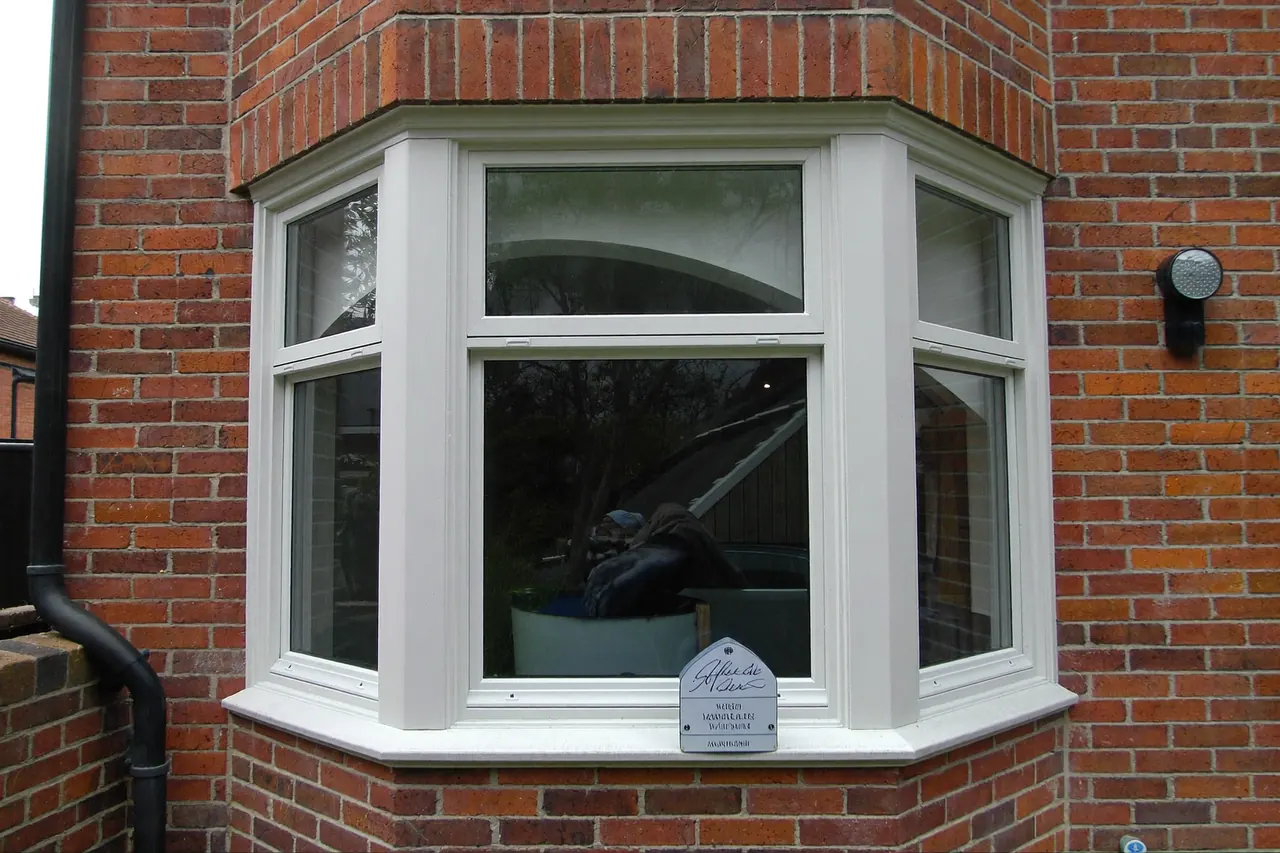
uPVC is naturally a good insulator, which historically gave it the edge on warmth. Modern aluminium casements use a polyamide thermal break between the inner and outer frame to close that gap, and a well-specified aluminium window with quality double or triple glazing performs strongly. According to the Energy Saving Trust, upgrading from older single glazing to efficient double glazing reduces heat loss regardless of the frame — so the glazing spec matters as much as the material.
Colours and finish
Aluminium is powder-coated and can be finished in almost any RAL colour, including dual colours inside and out, with an exceptionally durable finish. uPVC comes in white as standard plus a wide range of woodgrain foils and coloured options, though very dark colours can carry a small premium. Both hold up well to British weather.
Lifespan and maintenance
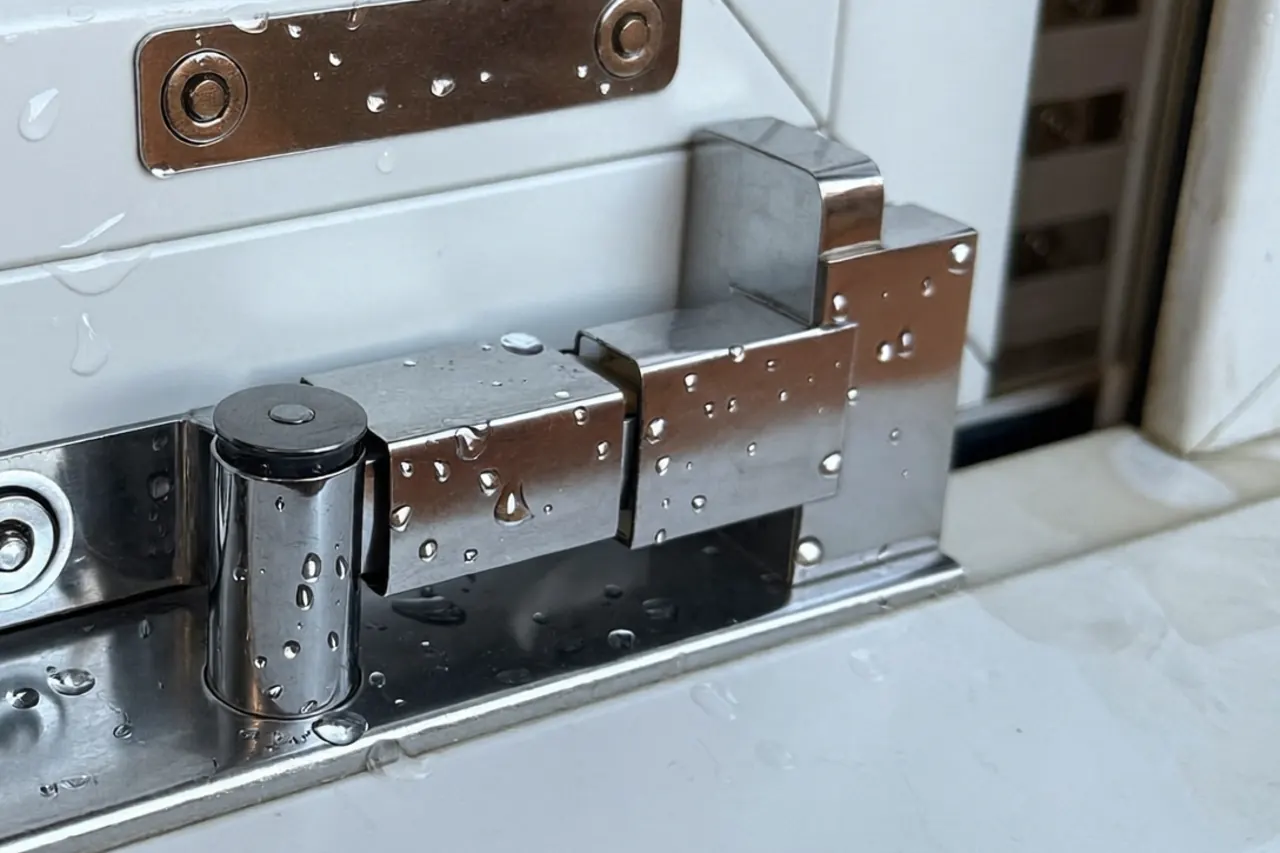
Both materials are low-maintenance — an occasional wipe-down is enough — and both routinely last decades. Aluminium is exceptionally rigid and resists warping, which is part of why it can span larger openings. uPVC is proven and widely serviced. Whichever you choose, the hardware is what you will actually touch every day, so it is worth specifying good hinges and handles on either frame.
Which should you choose?
Choose uPVC for the best value and solid all-round performance, especially across a whole house. Choose aluminium for slim frames, large glass areas, bold colours and a contemporary look, if the budget allows. Many homeowners mix the two — aluminium on a statement extension, uPVC elsewhere. A local installer can price both at survey so you can decide with real numbers in front of you.
Get quotes for uPVC and aluminium
Two quick questions and we will match you with vetted installers near you.
Get my casement quotes →