Flush casement windows
A flush casement window sits the opening sash flat within the frame, so when the window is closed the whole face is level — there is no raised sash proud of the frame. That single detail is why flush casements look so at home on period and character properties: they echo the flat, elegant line of traditional timber joinery far more closely than a standard “stormproof” casement, where the sash overlaps the frame.
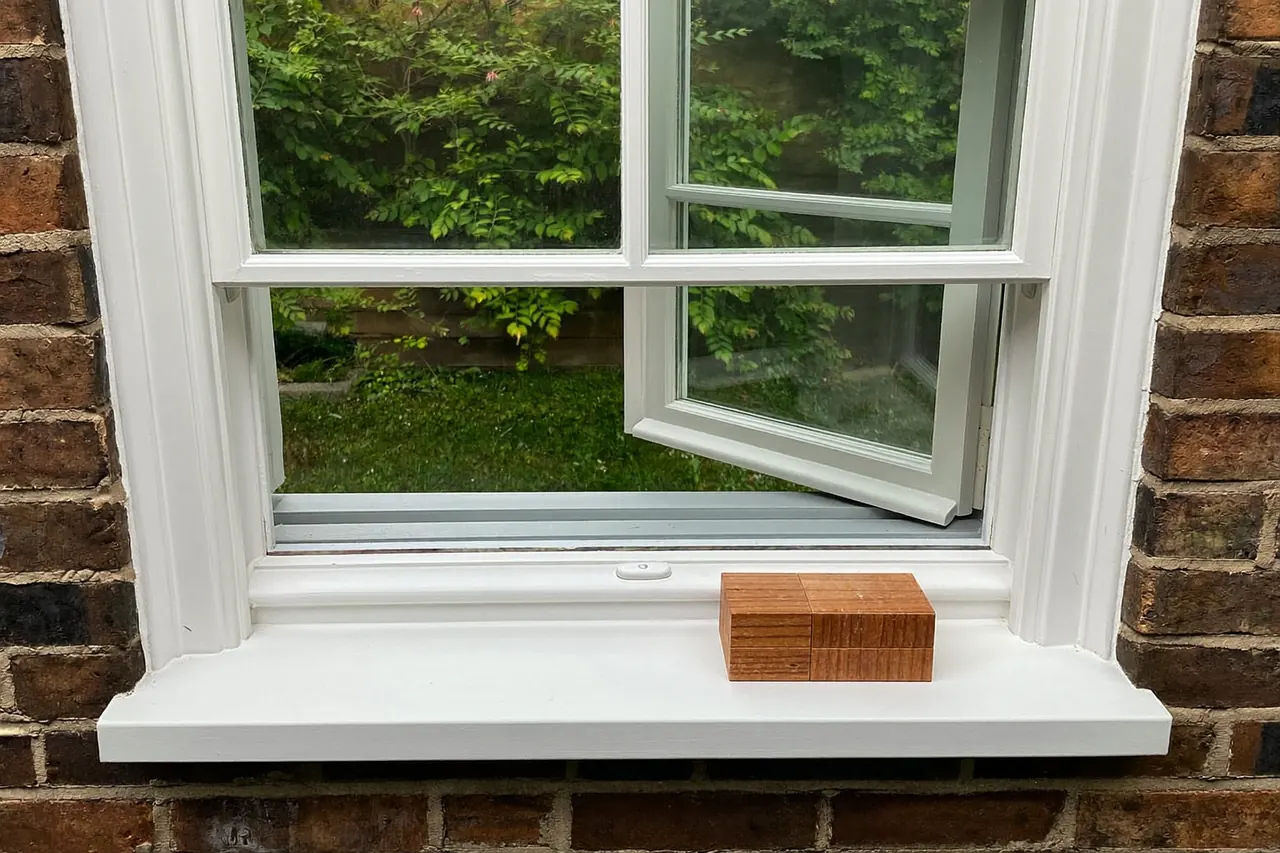
Flush vs stormproof casements
The everyday alternative to a flush casement is the stormproof (or lipped) casement, where the sash sits slightly proud of the frame with an overlapping lip that helps shed water. Stormproof designs are excellent performers and often a little cheaper, but the raised sash gives a more obviously modern, chunky appearance. Flush casements trade a fraction of that rain-shedding lip for a cleaner, more authentic look — and modern flush units use excellent weatherseals to keep performance high. If you are comparing the broader family, our casement window types page sets the flush casement alongside the other openings.
Materials for flush casements
Flush casements are available in three materials:
- uPVC flush casement — the most affordable route to the flat-face look, with woodgrain foils that convincingly mimic painted timber. A popular choice for homeowners who want the period style with low maintenance.
- Timber flush casement — the authentic original, ideal for listed buildings and conservation areas, though it needs periodic repainting.
- Aluminium flush casement — the slimmest sight-lines of all, blending a heritage flat face with a contemporary metal finish.
For the wider material decision, see uPVC vs aluminium casement.
Want the period look priced up?
Local installers can quote flush casements in uPVC, timber or aluminium. Free, no obligation.
Get my casement quotes →Where flush casements suit best
Flush casements are the natural choice for cottages, Victorian and Edwardian terraces, barn conversions and homes in conservation areas where a sympathetic replacement matters. They also look superb on new-build properties aiming for a classic, understated frontage. Because the flat face reads as more traditional, they pair well with astragal or Georgian bars — explored on the casement window styles page.
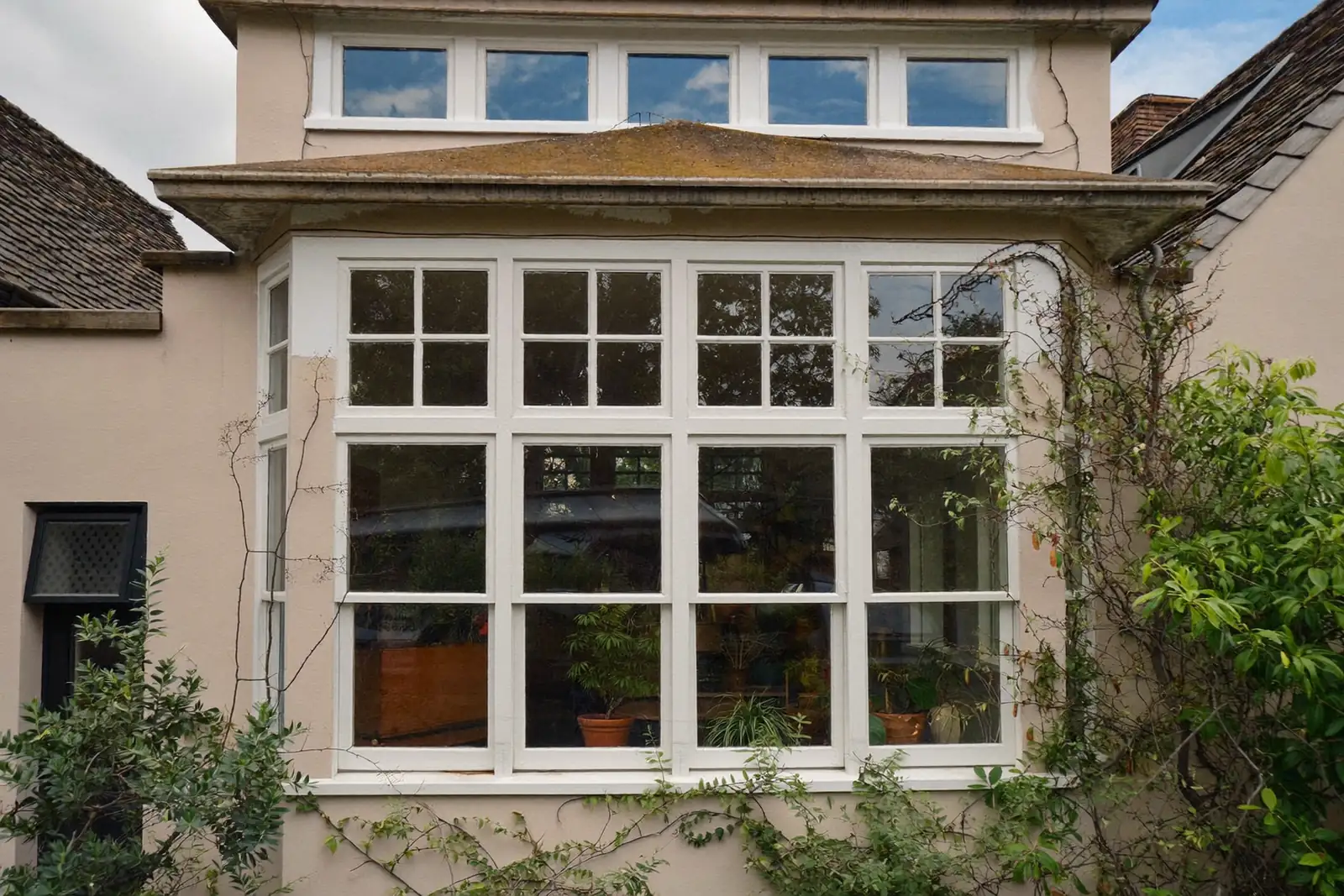
Performance and glazing
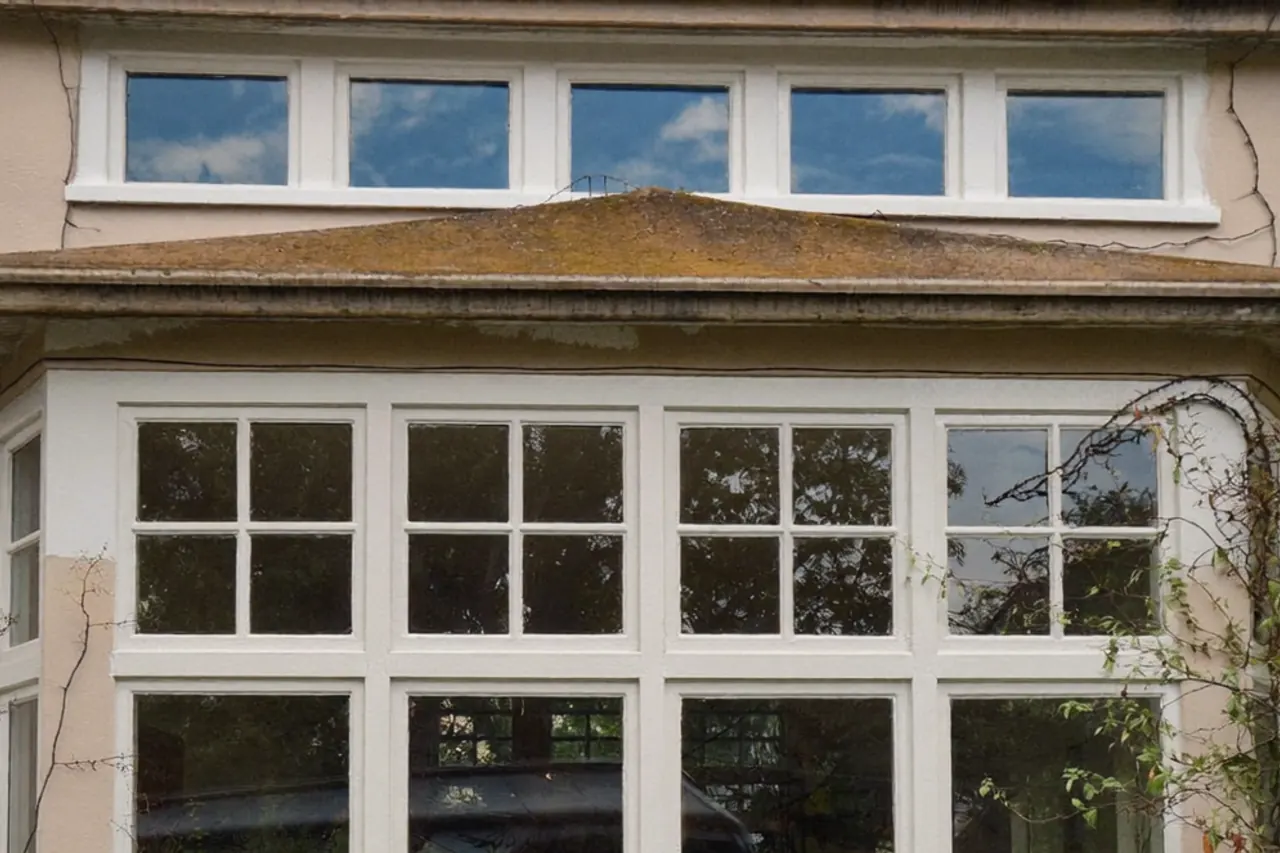
A modern flush casement is fully double glazed and can be specified with argon fill and warm-edge spacers for good thermal performance, along with multi-point locking to PAS 24 security. The heritage look does not mean a compromise on warmth or security — the hardware guide covers the locking and hinge options worth asking about.
Are they worth the extra?
Flush casements typically cost a little more than stormproof equivalents because of the more precise frame engineering. Whether that premium is worthwhile comes down to the look you want and the character of your home. On a period frontage, the flat line often justifies itself; on a modern rear elevation, a stormproof casement may be all you need. A survey-based quote lets you weigh the exact difference for your property — see casement window prices for what else affects the figure.
Compare flush casement quotes
Two quick questions and we will match you with vetted installers near you.
Get my casement quotes →