Casement vs sash windows
Casement and sash windows are the two classic British window styles, and if you own a period home you may be weighing one against the other. They open in completely different ways, look distinct, and carry different price tags. Neither is simply “better” — the right choice depends on your property, how you use the room and your budget. Here is an honest comparison across the things that matter.
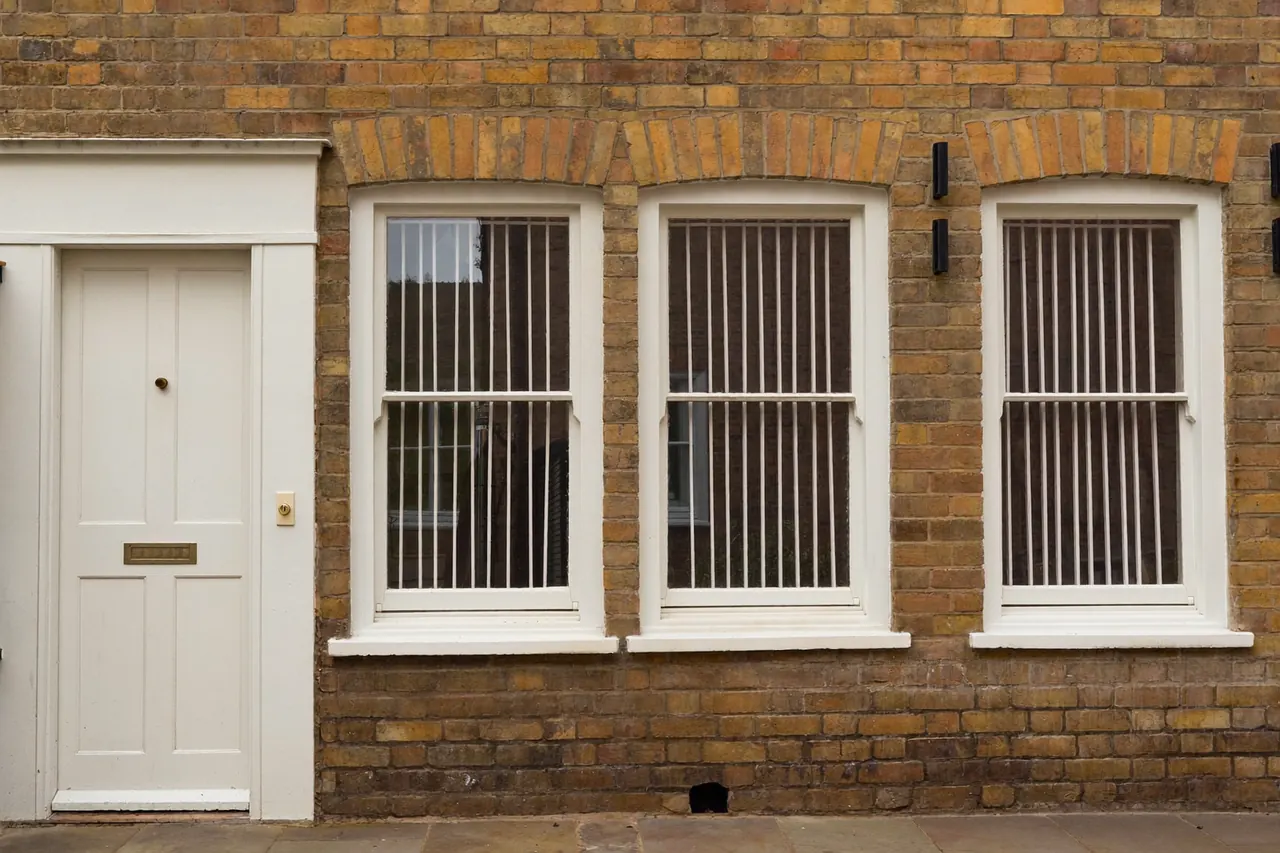
How they open
A casement is hinged on one edge and swings open, usually outward, on a stay. A sash window slides vertically, with one or both panels (the sashes) moving up and down in the frame, counterbalanced by weights or spiral springs. That mechanical difference shapes everything else. If you want to understand the sash mechanism in full, this guide to how sash windows compare covers the vertical-sliding style in depth.
Ventilation
Casements win on airflow. A side-hung casement opens the full aperture, so you can throw the window wide for maximum ventilation. A sash window opens a maximum of half the aperture at once, though opening both top and bottom sashes creates a pleasant convection draught that many people love in summer. For wet rooms, a top-hung casement also lets you ventilate in the rain.
Considering casements for your home?
Get free, no-obligation casement quotes from vetted local installers.
Get my casement quotes →Looks and heritage
Sash windows are the signature of Georgian, Regency and Victorian architecture — on those homes, a sliding sash is often the most sympathetic choice, and may be required in conservation areas. Casements have an equally long history and dominate cottages, Tudor and Arts-and-Crafts homes, as well as most modern properties. A flush casement can get remarkably close to a traditional timber look if you want the character without the sliding mechanism.
Cleaning and maintenance
Modern casements with easy-clean or fully reversible hinges let you clean the outer glass from inside — a real advantage upstairs. Many modern sash windows now tilt inward for cleaning too, closing an old gap. Both uPVC and aluminium versions of either style are low-maintenance; timber of either style needs periodic repainting.
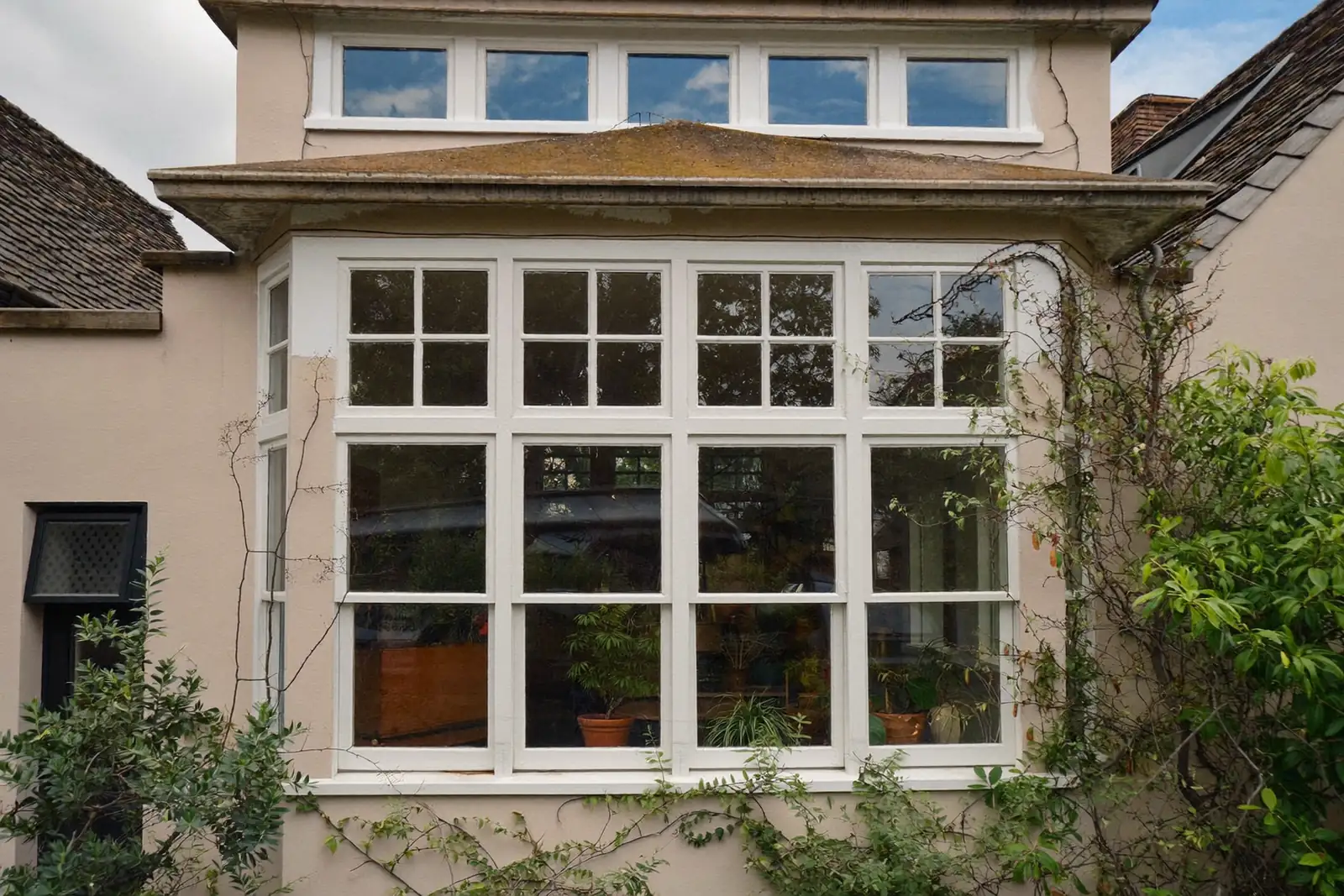
Security and cost
Casements are generally the more affordable style and are very secure, using multi-point espagnolette locking to PAS 24 — see the hardware guide. Sash windows, particularly authentic timber box sashes, tend to cost more because of their more complex construction, and their locking works differently (sash fasteners and restrictors). For a full breakdown of what drives casement pricing, see casement window prices.
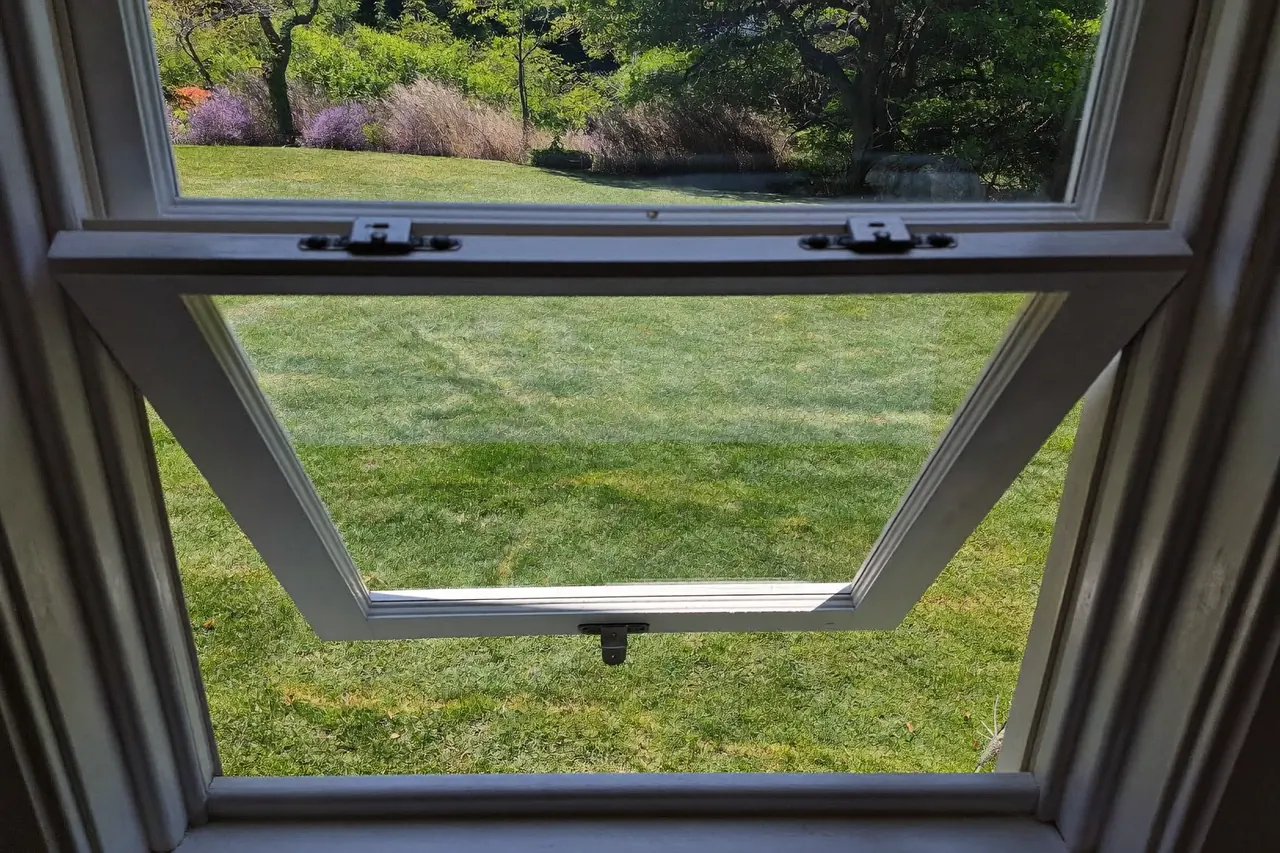
Which should you choose?
Choose a sash window where heritage and a vertical-sliding aesthetic are paramount, especially on a Georgian or Victorian frontage in a conservation area. Choose a casement for better ventilation, easier cleaning, strong security and lower cost — and a flush casement if you want a period look in a modern, low-maintenance frame. Whichever way you lean, a local installer can advise what suits your property at a free survey.
Compare casement window quotes
Two quick questions and we will match you with installers covering your area.
Get my casement quotes →